


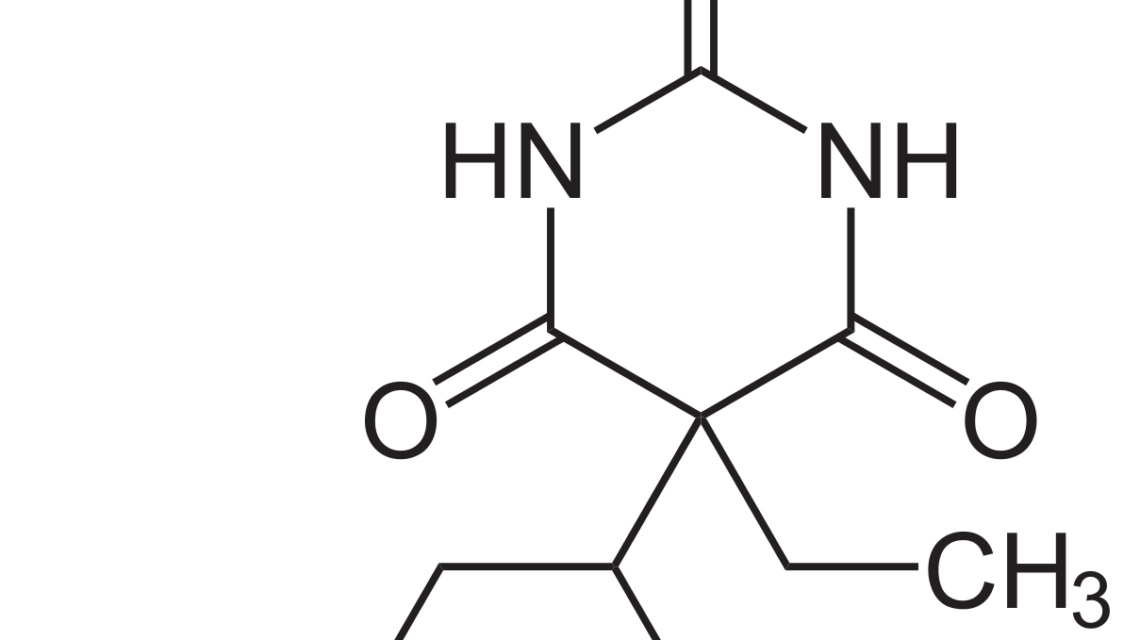
Quick question, How much does Nembutal cost?. This text bypasses standard scannability and structural constraints to provide a comprehensive, fully articulated analysis of the economic, regulatory, and clinical landscapes surrounding medical aid-in-dying medications.
The Economics of Mortality: Analyzing the Financial, Regulatory, and Clinical Realities of Aid-in-Dying Pharmaceuticals
The financial cost of medical aid-in-dying (MAID) is a complex, shifting landscape shaped by international trade restrictions, pharmaceutical market monopolies, local regulatory mandates, and clinical evolutions. For patients seeking to exercise their rights under Death with Dignity laws, navigating the expenses associated with legal end-of-life medications involves far more than simply paying a standard pharmacy copay. The overall cost varies substantially based on the specific medication type, global availability, regional compounding capabilities, and the precise clinical protocol required for safe and effective administration.
Crucially, the price of the primary lethal substance is only one component of the overall financial burden. Comprehensive protocols mandate that additional ancillary medications—such as powerful antiemetics, gastric motility agents, and cardiac protections—must be consumed prior to the primary lethal dose. These pre-medications add an extra layer of cost. Furthermore, any financial figures cited within this analysis serve as historical and contextual estimates; pharmacy markets are highly volatile, and availability changes rapidly. Ultimately, the actual prescription, its components, and the associated out-of-pocket expenses depend entirely on the attending physician’s comprehensive assessment, the patient’s geographic location, and the available compounding pharmacy infrastructure.
1. The Global Logistics and Market Collapse of Pentobarbital
To understand the modern pricing structure of end-of-life care, one must look at the historical trajectory of pentobarbital. Prior to 2012, liquid pentobarbital was the global and domestic standard for both veterinary euthanasia and human aid-in-dying protocols. During this era, a lethal dose in liquid form cost approximately $500, making it an accessible and highly predictable option for clinical application. However, between 2011 and 2012, the pricing structure suffered an unprecedented shock, with the cost of a single dose skyrocketing to between $15,000 and $25,000.
This monumental price increase was not driven by standard domestic inflation or raw material shortages. Instead, it was the direct consequence of geopolitical friction and international human rights mandates. The European Union (EU) implemented strict export bans on drugs that could be utilized in capital punishment or torture. Because several states within the United States utilized liquid pentobarbital as the primary component in lethal injection executions, European manufacturers were legally restricted from exporting the drug to US shores.
Simultaneously, major international pharmaceutical companies sought to distance their brands from the controversies of capital punishment. To protect their corporate reputations and comply with the changing ethical frameworks of their home nations, these global suppliers systematically choked off the supply chain to the United States. This created an artificial, severe domestic shortage. With supply depleted and demand remaining steady for both lawful end-of-life care and institutional corrections, the market price for liquid pentobarbital expanded exponentially, rendering it completely unfeasible for standard medical aid-in-dying programs.
Faced with an unusable $25,000 liquid protocol, clinicians and advocacy organizations were forced to pivot. They discovered a viable legal and chemical alternative by shifting from commercially manufactured liquid pentobarbital to raw, bulk powdered pentobarbital. This powdered form could be acquired by specialized domestic compounding pharmacies and reconstituted into an ingestible solution. The introduction of the powdered protocol successfully bypassed the international embargoes on the proprietary liquid formulations, dropping the baseline cost of the raw chemical components back down to a manageable range of $400 to $500. This transition marked a permanent shift in how aid-in-dying protocols were formulated, establishing compounding pharmacies as essential gatekeepers in the delivery of end-of-life care.
2. The Monopolization and Financial Burden of Secobarbital (Seconal)
Following the complications surrounding pentobarbital, secobarbital—known by its brand name, Seconal—became the primary, single-drug oral medication utilized under American Death with Dignity frameworks. As a fast-acting barbiturate, Seconal offered a highly reliable clinical profile, typically resulting in peaceful sleep followed rapidly by respiratory arrest. However, as demand for Seconal grew with the passage of aid-in-dying legislation across multiple US states, its financial accessibility plummeted due to aggressive pharmaceutical pricing strategies.
A standard lethal dose of secobarbital involves the ingestion of approximately 9 to 10 grams of the drug, which translates to roughly 100 individual capsules. Because patients must open these capsules and mix the enclosed powder into a liquid medium, the sheer volume of the medication required creates a unique manufacturing and procurement demand. Seconal’s market dynamics took a dramatic turn when the acquisition rights to the drug changed hands. Following corporate acquisitions, the price of Seconal was escalated aggressively by its manufacturers. A drug that had previously cost a few hundred dollars quickly rose to a retail price ranging from $3,000 to $5,000 per dose.
This multi-thousand-dollar price tag created an immediate equity crisis within the end-of-life care community. Because medical aid-in-dying is an emerging and legally sensitive practice, private insurance coverage varies dramatically by state and by provider. Furthermore, federal insurance programs—such as Medicare—are strictly prohibited from funding or covering medications used in medical aid-in-dying due to federal restrictions on the use of public funds for assisted suicide programs. Consequently, many terminally ill individuals facing immense physical suffering were met with a daunting out-of-pocket financial barrier at the pharmacy counter. The $3,000 to $5,000 cost of Seconal effectively transformed a legal healthcare right into a luxury accessible only to those with significant financial means, prompting an urgent medical search for alternative protocols.
3. The Washington State Innovations: Multi-Drug Alternatives
In direct response to the prohibitive cost of Seconal, pioneering physicians and pharmacologists in Washington State—one of the earliest jurisdictions to legalize medical aid-in-dying—began researching and developing alternative multi-drug mixtures. The primary objective was to engineer a combination of readily available, affordable medications that, when combined, would replicate or exceed the clinical efficacy, speed, and peaceful nature of a high-dose barbiturate protocol.
Through rigorous clinical trial and iterative adjustments, these medical teams successfully developed a multi-drug protocol known as the DDMA or DDMP regimens, depending on the specific sedatives and cardiotoxic agents used. One of the earliest reliable alternatives to emerge from this clinical research was a mixture combining phenobarbital, chloral hydrate, and morphine sulfate.
- Phenobarbital serves as a long-acting, stable barbiturate that induces deep sedation and suppresses central nervous system activity.
- Chloral Hydrate acts as a powerful sedative-hypnotic agent that rapidly accelerates the onset of unconsciousness, minimizing the risk of prolonged pre-coma states.
- Morphine Sulfate acts as a heavy opioid component that suppresses the respiratory drive, ensuring that once deep sleep is achieved, the patient peacefully transitions into respiratory arrest.
When compounded together into a single oral suspension, this phenobarbital, chloral hydrate, and morphine sulfate mixture achieves a lethal dose that is clinically similar in its timing and effect to the traditional Seconal protocol. The most notable triumph of this innovation was its economic impact: the entire mixture reduced the pharmacy cost down to an approximate range of $450 to $500. This development immediately restored financial accessibility to hundreds of terminally ill patients who would have otherwise been priced out of their end-of-life options.
As clinical practice continued to evolve, and as the availability of individual components like chloral hydrate fluctuated due to supply chain inconsistencies, Washington state physicians engineered a second, highly sophisticated alternative protocol. This second mixture utilizes a carefully balanced combination of morphine sulfate, Propranolol (commonly known by its brand name, Inderal), Diazepam (commonly known as Valium), Digoxin, and a specialized buffer suspension. This protocol operates through a distinct, multi-system pharmacological approach:
- Morphine Sulfate and Diazepam: This combination targets the central nervous system. The diazepam provides profound muscle relaxation and anxiolysis, clearing any potential for distress, while the high-dose morphine rapidly depresses pulmonary function.
- Propranolol: This beta-blocker suppresses the body’s natural autonomic reflexes, preventing compensatory heart rate increases and ensuring a calm, steady descent into unconsciousness.
- Digoxin: This cardiac glycoside is introduced in massive doses to deliberately disrupt cardiac electrical conduction, leading directly to cardiac arrest once the patient is completely unresponsive and deeply anesthetized.
- Buffer Suspension: This component is critical to mask the intensely bitter taste of the concentrated powder compounds, minimizing gastric irritation and preventing the patient’s body from rejecting or vomiting the medication.
The total cost for this advanced multi-drug cardiac and sedative alternative rests at approximately $600. By shifting the clinical paradigm from a single, expensive proprietary drug to a combination of affordable, generic medications working in synergy, the medical community successfully insulated patients from corporate pharmaceutical price gouging.
4. The Critical Role of Compounding Pharmacies
The development and deployment of these multi-drug mixtures created an absolute reliance on the specialized industry of compounding pharmacies. Standard commercial retail pharmacies—such as large corporate chains—are designed to dispense pre-packaged, mass-manufactured pills and liquids produced by major pharmaceutical brands. They are neither equipped nor legally permitted to manipulate bulk chemical powders into custom, ultra-high-dose lethal suspensions required for medical aid-in-dying.
A compounding pharmacy must step in to carefully prepare each customized mixture. Compounding pharmacists are highly trained specialists who source pure, bulk-grade pharmaceutical ingredients. For an aid-in-dying protocol, the pharmacist must precisely weigh out massive doses of multiple medications—such as grinding down hundreds of grams of generics or measuring exact crystalline ratios—and blend them into a homogenous powder. This powder is then packaged into sealed containers, which the patient or their designated caregiver will ultimately reconstitute with water, juice, or applesauce immediately prior to administration.
This specialized process introduces unique logistical, regulatory, and financial realities:
- Strict Legal Overlays: Compounding pharmacies operate under a strict patchwork of state boards of pharmacy regulations and federal oversight under Section 503A of the Federal Food, Drug, and Cosmetic Act. Because aid-in-dying medications involve heavily controlled substances (Class II narcotics and concentrated sedatives), the chain of custody, record-keeping, and verification processes are exceptionally demanding.
- Geographic Disparities: Not all compounding pharmacies are willing or legally cleared to participate in medical aid-in-dying. Pharmacists retain the right of conscientious objection. Consequently, patients living in rural or conservative regions often face significant logistical hurdles, requiring them to coordinate with distant urban pharmacies willing to compound and securely ship the medications.
- Labor and Sourcing Fees: The costs cited for these alternative mixtures ($450 to $600) represent the foundational price of the raw materials and standard preparation. However, individual compounding pharmacies may apply varying labor fees, sterile environment charges, or specialized delivery fees depending on the urgency and complexity of the order.
5. Ancillary Clinical Protocols and Hidden Expenses – How much does nembutal cost
To accurately project the true financial and logistical reality of medical aid-in-dying, one must look beyond the primary lethal suspension. A successful, dignified end-of-life process requires a strict pre-medication protocol designed to ensure patient comfort, protect dignity, and guarantee full pharmacological absorption. These ancillary medications represent mandatory hidden costs that must be factored into the patient’s financial planning.
| Medication Type | Primary Role in Protocol | Clinical Justification |
|---|---|---|
| High-Dose Antiemetics | Prevents nausea and vomiting | The sheer volume and extreme bitterness of concentrated barbiturates or cardiotoxic mixtures can violently irritate the gastric lining. Vomiting the mixture before it is fully absorbed constitutes a catastrophic clinical failure, potentially leaving the patient in a prolonged, damaged vegetative state. |
| Prokinetic Agents | Accelerates gastric emptying | Terminally ill patients frequently suffer from slowed digestion due to disease progression or prior palliative opioid use. Prokinetic drugs ensure that once the lethal mixture enters the stomach, it is rapidly pushed into the small intestine for immediate systemic absorption before the stomach can reject it. |
| Anxiolytics / Sedatives | Calms autonomic anxiety | Pre-medicating with mild sedatives an hour before the main protocol helps lower maternal distress and stabilizes blood pressure, allowing the main lethal dose to take effect smoothly. |
These pre-medications are typically administered in two distinct waves: the first wave occurring roughly one hour prior to ingestion of the lethal dose, and the second wave occurring thirty minutes prior. While these individual ancillary drugs are generally composed of affordable generics (such as metoclopramide or ondansetron), their specialized dosing, cumulative cost, and associated pharmacy dispensing fees can add anywhere from $50 to $150 to the final bill.
Furthermore, the physical state of the patient can demand additional medical equipment. If a patient suffers from advanced dysphagia (difficulty swallowing) or is unable to retain liquids orally, the clinical protocol must be adapted for administration via a feeding tube (G-tube or J-tube) or, where legally permitted, an intravenous line. These structural adjustments require specialized compounding modifications and distinct medical supplies, further shifting the final financial investment.
6. The Broader Socioeconomic Implications of End-of-Life Healthcare
The financial stratification of medical aid-in-dying highlights broader socio-economic disparities within modern healthcare systems. When life-ending medications cost thousands of dollars, or when access relies on navigating a complex web of out-of-network compounding pharmacies, vulnerable populations are systematically disadvantaged.
Low-income patients, individuals lacking robust private insurance, and those dependent on federal healthcare infrastructure face immense stress during an already agonizing period of their lives. Advocacy groups and non-profit organizations often step in to bridge these financial gaps, providing grants or negotiating directly with compassionate compounding pharmacies to subsidize costs. However, these charitable safety nets are unevenly distributed and cannot fully replace a standardized, universally affordable pharmaceutical framework.
Ultimately, the evolution of medical aid-in-dying drug protocols demonstrates the resilience and adaptability of the medical community. Faced with international political embargos on pentobarbital and corporate price exploitation of secobarbital, clinicians successfully utilized the art and science of compounding pharmacy practice to innovate low-cost, multi-drug alternatives. These innovations have successfully preserved the core intent of Death with Dignity legislation, ensuring that autonomy, dignity, and relief from suffering remain accessible options defined by medical need and human compassion, rather than the financial restrictions of the pharmaceutical marketplace.

Terry
I received my package. I 100% recommend nembutalonline.net.